

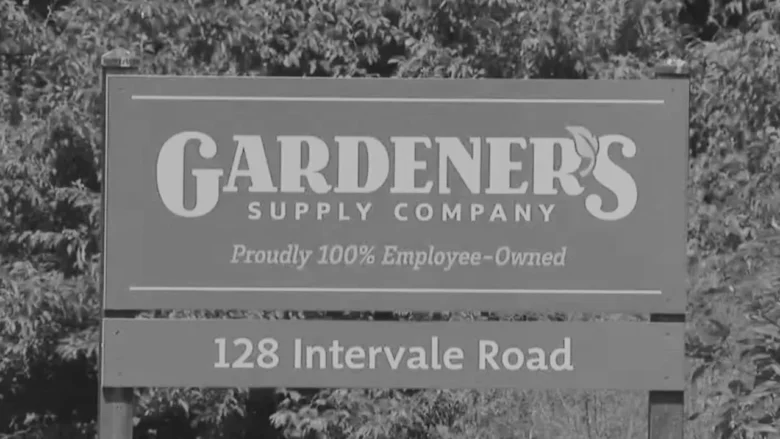
If you searched for a Gardener’s Supply store or tried to place a catalog order in 2025 and came across news of a bankruptcy filing, you were not alone in wondering what that means. The word “bankruptcy” understandably raises concerns. But in this case, it did not mean the company shut its doors overnight.
This article breaks down exactly what happened — the type of bankruptcy filed, who bought the business, which stores closed, what happened to employees, and what the brand looks like now under new ownership.
Gardener’s Supply Filed for Chapter 11, Not a Full Shutdown
Gardener’s Supply filed for Chapter 11 bankruptcy in Delaware in June 2025. That distinction matters. Chapter 11 is not the same as a company simply shutting down.
Chapter 11 is a legal process that allows a business to either reorganize its finances or sell its assets in an orderly way — all while continuing to operate. Think of it as restructuring under court supervision, not locking the doors and walking away.
From the start of the filing, Gardener’s Supply made clear it intended to keep its stores and online business running throughout the process. The bankruptcy was tied directly to an asset sale, not a wind-down of operations. Garden Center Magazine, Seven Days VT, and GazetteNet all confirmed that the company planned to continue operating while the sale moved forward.
So the short answer to “is Gardener’s Supply going out of business?” is: not in the way most people would assume when they hear the word bankruptcy.
Who Bought Gardener’s Supply and What the Sale Involved
The buyer was Gardens Alive, an Indiana-based company that sells gardening products. Gardens Alive was named the stalking-horse bidder at the beginning of the bankruptcy process.
A stalking-horse bid sets a minimum floor price in a bankruptcy auction. Other companies can submit competing bids, but if none do, the stalking-horse bidder wins by default. In this case, no competing bids emerged. Gardens Alive was the sole bidder at $9 million.
The sale covered substantially all of Gardener’s Supply’s assets. Court approval was granted through the standard bankruptcy process, and the transaction officially closed on August 8, according to reporting by Seven Days VT.
After the sale closed, Gardens Alive took ownership of the brand, physical store locations, and the company’s website and catalog operations. The Gardener’s Supply name carried forward under new ownership.
Which Stores Closed and Which Stayed Open
This is one of the most practical questions for customers who live near a Gardener’s Supply location. Here is what the reporting shows.
Most stores remained open after the sale closed on August 8. Seven Days VT confirmed this in its post-sale coverage. The company’s core retail presence had been spread across Vermont, New Hampshire, and Massachusetts.
The one confirmed closure was the seasonal location in Shelburne, Vermont, which closed as part of the transition. That store was seasonal by design, which likely made it a natural candidate for consolidation during the ownership change.
Customers near other locations — including the Hadley, Massachusetts store, which GazetteNet specifically noted would continue operating — can still shop in person. The website and catalog business were also expected to continue under Gardens Alive.
If you are unsure whether a specific store near you is open, it is worth contacting the location directly or checking the company’s website, since retail footprints can shift after ownership changes.
What Happened to Gardener’s Supply Employees
The transition was not without disruption for workers. Reporting from Seven Days VT documented that approximately 40 employees were laid off ahead of the sale closing.
These layoffs happened during the period between the bankruptcy filing and the finalization of the Gardens Alive transaction. That timing is common in asset sales conducted through bankruptcy. Companies typically reduce costs and streamline operations before a sale closes.
Not every employee was affected. The business retained enough staff to keep stores and operations running through the transition. But presenting this situation as entirely smooth would be inaccurate — roughly 40 people lost their jobs in the process.
That kind of workforce impact is worth acknowledging plainly. For those individuals, the bankruptcy and sale had direct personal consequences, even if the business itself continued in a reduced form under new ownership.
The End of Employee Ownership and What the Liquidation Plan Meant
One significant change that came out of this process involves Gardener’s Supply’s identity as an employee-owned company. That structure was a notable part of the brand’s history and culture in Vermont. The bankruptcy process brought it to an end.
Later reporting, including coverage summarized by ElevenFlo, confirmed that a Chapter 11 plan of liquidation was confirmed through the bankruptcy proceedings. It is important to understand what that means — and what it does not mean.
The liquidation plan applied to the legal entity and its equity holders, not to the physical store operations or the brand itself. In plain terms, the original corporate structure was wound down, and the people who held equity in that structure — including employee-owners — received no financial distribution.
The stores kept running. The brand survived. But the employee ownership model did not carry over to the new ownership structure under Gardens Alive.
This distinction is often missed when people read about a “liquidation plan” and assume it means empty shelves and closed doors. In this case, it referred specifically to what happened to the original company’s legal and financial structure — not its day-to-day retail operations.
What This Means for Customers Going Forward
For most customers, the practical picture looks like this: Gardener’s Supply as a brand still exists. Most stores are open. The website and catalog operations continue. The ownership has changed from an employee-owned Vermont company to an Indiana-based gardening products business.
Whether the product selection, customer service, and company values remain consistent over time is something only continued experience will reveal. Ownership changes often bring shifts in direction, and Gardens Alive’s long-term plans for the brand have not been fully detailed in public reporting.
For those who followed this story because of a personal connection to the brand — as customers, former employees, or members of Vermont’s business community — the outcome is a mixed one. The business survived in operational terms, but it changed significantly in ownership structure and workforce.
Business transitions of this type are covered regularly at Prime Business Daily, where readers can find straightforward reporting on company news, industry shifts, and what major changes mean in practical terms.
The Bottom Line
Gardener’s Supply is not fully out of business. The company filed for Chapter 11 bankruptcy in June 2025, completed a $9 million sale to Gardens Alive, and emerged with most of its store locations still operating.
The Shelburne seasonal store closed. Around 40 employees were laid off during the transition. The employee ownership structure ended. And the legal entity that originally held the business was wound down through a confirmed liquidation plan.
But the brand, the stores, and the online business carried forward under new ownership. That is the accurate, complete picture — neither a full closure nor an unchanged continuation, but a significant transition that reshaped what Gardener’s Supply is and who owns it.
Also Read: